|
What is UDL?
Universal Design for Learning is a set of principles for curriculum development that give all individuals equal opportunities to learn. UDL provides a blueprint for creating instructional goals, methods, materials, and assessments that work for everyone – not a single, one-size-fits-all solution but rather flexible approaches that can be customized and adjusted for individual needs.
Why is UDL necessary?/
Individuals bring a huge variety of skills, needs, and interests to learning. Neuroscience reveals that these differences are as varied and unique as our DNA or fingerprints. Three primary brain networks come into play:
| Recognition Networks 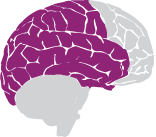
The "what" of learning
| Strategic Networks 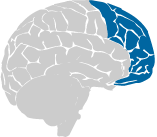
The "how" of learning
| Affective Networks 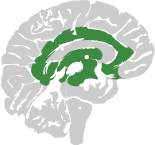
The "why" of learning
|
| UDL Principle I - Provide Multiple Means of Representation
|  | CertPrep builds course material and homework assignments based on what students need to earn their certifications.
| UDL Principle II - Provide Multiple Means of Action and Expression
|  | CertPrep offers teachers and students a learning tool for use in class, at work, and at home.
| UDL Principle III - Provide Multiple Means of Engagement
|  | CertPrep encourages users to be responsible to their group by expanding correctly answered test questions
| | |
Sources and Resources:
CAST - http://www.cast.org/research/udl
National Center on UDL - http://www.udlcenter.org
Dr. Katie Novak, Ed.D. - http://katienovakudl.com
|